The Power of Compound Interest: How Small Habits Build Massive Wealth
A rigorous mathematical guide to determining your target retirement nest egg, understanding the 4% rule, modeling safe withdrawal rates (SWR), and hedging sequence of returns risk.
Sarah Jenkins, CFP®Senior Wealth Strategist
Published: August 31, 2026•Updated: August 31, 2026
Strategic retirement calculations model inflation, portfolio longevity, and safe withdrawal distributions.
💡
Key Takeaways & Quick Rules
The 25x Rule (4% SWR): Multiply your estimated annual retirement expenses by 25 to find your baseline nest egg (e.g., $60,000/yr requires $1.5M).
Retirement Horizon Adjustments: Early retirees (FIRE timeline: 40+ years) should model a conservative 3.25% to 3.5% withdrawal rate (28x–30x expenses).
Sequence of Returns Risk (SRR): Market downturns in the first 5 years of retirement can prematurely deplete capital without a 2–3 year cash buffer.
Inflation Guard: Annual withdrawals must adjust for Consumer Price Index (CPI) increases to preserve real purchasing power.
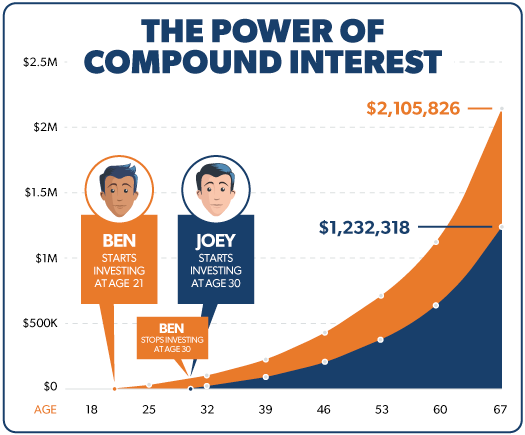
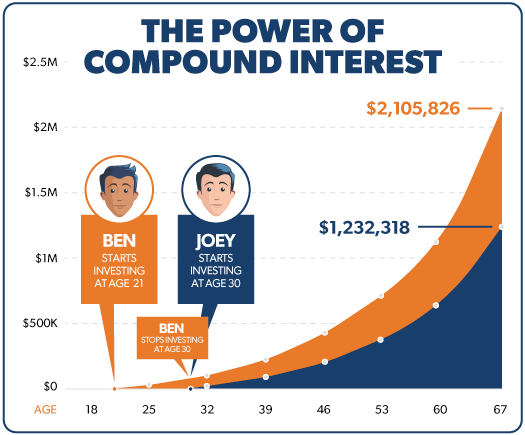
Building sustainable wealth is rarely about picking speculative high-risk winners. Instead, it is the predictable mathematical result of consistent saving, disciplined capital allocation, and long-term compound interest.
The Mathematics of Compounding
When you reinvest earnings, your investment gains start earning returns on their own. Over a 20-to-30 year timeframe, the interest earned drastically eclipses the total principal you ever deposited.
Sarah is a Certified Financial Planner with over 14 years of wealth advisory experience specializing in portfolio architecture, tax-advantaged asset location, and early retirement modeling. Her research has been featured in top personal finance publications.